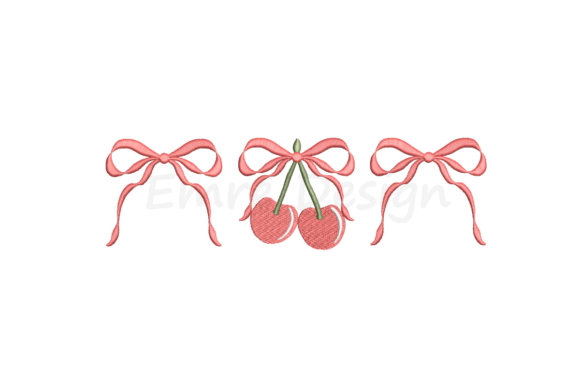
Coquette Cherry Embroidery Design Review for Craft Fair Success
As an experienced embroidery designer who regularly preps products for craft fairs and handmade markets, I’m always on the lookout for designs that stand out both in person and online. The Coquette Cherry Embroidery Design caught my eye immediately with its whimsical charm and versatility. It’s one of those digital embroidery files that feel like a no-brainer when it comes to turning them into sellable items. Let’s break down how this machine embroidery design can perform across your favorite craft fair products and what you should keep in mind during production.
First Impressions: A Whimsical Touch for Summer Crafting
The name “Coquette Cherry” gives off a sweet and playful vibe—perfect for summer-themed handmade products. From the product description alone, I could already picture this design blooming on soft cotton fabric, adding a fun yet elegant accent to everyday items. It doesn’t scream bold or loud, but instead offers a delicate balance between cute and decorative. This is the kind of stitch file that makes your booth look curated and high-quality without being overwhelming.
I imagine customers gravitating toward Coquette Cherry because it feels fresh, feminine, and slightly vintage. It's not just another floral—it has character, and that subtle personality is exactly what sets apart top-selling handmade products at craft fairs.
Where It Shines: Best Products for Showcasing the Design
This design works exceptionally well as a focal point on tote bags, especially if you’re going for a summery or farmhouse aesthetic. Placed center stage, it adds a charming touch that draws the eye and invites questions from shoppers. It also looks fantastic on aprons, where its whimsical nature complements kitchen wear and elevates it from basic to boutique-level.
- Tea Towels: The design brings a warm, inviting feel to the kitchen. Its softness contrasts nicely with the utilitarian purpose of tea towels, making them perfect for gifting or resale.
- Embroidered Patches: These are great for customization and resale. Customers love adding personal flair to their denim jackets, backpacks, or even custom baby clothes.
- Fabric Pouches: Ideal for small shop products, these pouches offer a compact canvas for the Coquette Cherry design to shine without becoming lost in scale.
- Pillow Covers: Adding this design to linen or cotton pillow covers gives your home décor line a soft, romantic edge that appeals to a wide range of tastes.
- Market Bags: As reusable tote-style bags become more popular, embroidered market bags with this design make a strong statement while staying functional.
For caps, the design needs careful placement due to the curved surface. But if sized correctly and centered well, it can add a unique flair to promotional headwear or children’s hats. On thick fabrics like canvas or denim, the stitch density may need adjusting to ensure the design doesn't appear too flat or lose dimension.
Booth Samples and Etsy Listings
If you're planning a weekend craft fair booth, consider using Coquette Cherry on a few standout samples—like a large embroidered tote bag or a set of three matching tea towels. These will act as visual anchors for your display and help communicate the style of your brand quickly. For Etsy sellers, the design photographs beautifully, especially on light-colored backgrounds. Its soft, pastel-inspired elements translate well to digital mockups and printable templates, helping you create compelling listings before sewing a single stitch.
Practical Considerations for Production
One of the best things about Coquette Cherry is its readability. Even at smaller sizes, the design remains clear and recognizable, which means it can serve as an accent rather than a full-size focal point. That flexibility is a huge plus for small shop product lines or commercial embroidery projects where space matters.
However, be mindful of dense stitch areas. If you're working with textured towels or thick materials, you might need to adjust the stitch density or use a tear-away stabilizer to prevent puckering. Tiny details in the design can be tricky, so always test it on scrap fabric first. Confirm the hoop size needed and review spacing to ensure the design fits comfortably on your chosen product without crowding.
Batch Production Tips
If you're looking to produce multiple units quickly, the Coquette Cherry design is repeatable enough to work in batch runs. Just make sure to double-check thread colors against your fabric choices—some combinations might dull the whimsical effect. Use a consistent stabilizer type and hoop tension to maintain quality across all finished products.
Also, take time to create a real mockup before committing to a full order. Seeing the design in person helps identify any issues with scale, contrast, or clarity that aren’t visible in the digital preview. Once satisfied, you can confidently turn it into a collection of craft fair products that speak to your brand’s style.
Careful-Use Notes for Maximum Appeal
- Small Lettering: If the design includes text (even subtly), avoid shrinking it too much. Small lettering can lose definition and become illegible.
- Dark Fabric: While the design is charming, it may not pop as well on darker tones. Opt for light or medium shades to let the embroidery really stand out.
- Curved Surfaces: When applying to caps or curved bags, ensure the design is properly adjusted for the shape to avoid distortion.
- Design Clarity: At smaller sizes, some fine details may become less visible. Always test on actual fabric before mass production.
Boosting Visual Appeal and Brand Consistency
Coquette Cherry has a way of elevating the simplest items. Whether it’s a humble apron or a trendy fabric pouch, the design instantly adds a sense of care and craftsmanship. That’s what buyers notice—handmade quality. And for boutique makers or digital sellers, consistency is key. Stick with a cohesive color palette and apply the design in similar placements across your product line to build brand recognition.
At craft fairs, this design can be used to highlight your best handmade gifts. Pair it with other seasonal or complementary embroidery files to create a themed display that tells a story. It’s a subtle but effective way to draw attention and spark conversation with potential customers.
Final Designer Notes for Sellers
Before incorporating Coquette Cherry into your lineup, here are a few practical steps every embroidery business owner or creative entrepreneur should take:
- Test the design on scrap fabric using the same thread colors and fabric texture you plan to use for final products.
- Check thread contrast—especially if you're using it on white or cream-toned fabrics where vibrancy is essential.
- Review spacing within the embroidery file to ensure it won’t interfere with seams or hardware, particularly on pouches and aprons.
- Confirm the required hoop size to avoid resizing issues that could compromise the design’s integrity.
- Inspect stitch density for different applications—adjust as needed for towels or stretchy fabrics.
- Use the right stabilizer depending on your material. Tear-away often works best for lightweight linens, while wash-away may suit heavier textiles.
- Create at least one real-life mockup to see how the design behaves on the actual item. Sometimes, digital previews don’t tell the whole story.
- Compare fabric colors side by side with the design assets to ensure the final product matches your brand vision.
- Lastly, confirm commercial licensing terms before selling finished goods. Many designers require permission for resale or retail use.
A Must-Have for Your Handmade Product Lineup
In short, the Coquette Cherry Embroidery Design is a valuable addition to any summer-themed craft fair product lineup. It’s versatile, visually appealing, and has the potential to become a signature element in your brand’s offerings. Whether you’re an Etsy seller looking to expand your digital embroidery file library or a boutique maker ready to launch a new line of handmade products, this design deserves a spot on your table.
With the right application and attention to detail, it can enhance your booth display strength and boost buyer engagement. Just remember to treat each product with the care it deserves—test, tweak, and then trust the charm of the design to do the rest.